

Why music marketing is challenging in 2026
The harsh market reality:
- 120,000 tracks released daily on Spotify
- Average listener discovers only 16 new artists annually
- Major label artists receive $50,000-$200,000+ in promotional support per album cycle
- Independent artists: $0-$6,000 on average
- Professional PR services: $1,800-$3,500 monthly
- Playlist promotion campaigns: $600-$1,800
The music industry has democratized access to distribution while simultaneously creating unprecedented competition for attention. Every artist now has the same technical capability to reach global audiences, which paradoxically makes standing out exponentially harder.
Artists who build sustainable careers don't necessarily have the most streams, they have the most engaged communities. 100 genuinely connected fans who attend shows, purchase merchandise, and advocate for your music create more long-term value than 10,000 passive streams from listeners who can't recall your name a week later. Those 100 fans generate more revenue, create more opportunities, and provide more career stability than algorithmic reach without genuine connection.
Identify your career stage first
The common mistake artists make: Attempting every marketing channel simultaneously (TikTok, Instagram, live shows, paid ads, PR) without establishing a core artistic identity. This approach burns resources, creates burnout, and prevents you from building genuine expertise in any single area.
Define your authentic identity first, then adapt your strategy to your development stage. What works for an artist with 10,000 followers will overwhelm and frustrate an artist with 100. Start where you are, not where you wish you were.
Stage 1: Exploration (0-2 Years)
Focus: Discovering your distinctive sound and artistic universe
At this stage, your primary objective isn't marketing, it's creation and self-discovery. Too many emerging artists prematurely shift focus to promotion before they've developed a clear artistic perspective worth promoting.
Priorities:
- Music creation and experimentation without commercial pressure
- Initial local performance opportunities to test material and build stage presence
- Defining authentic identity (not chasing algorithmic trends or imitating successful artists)
Avoid: Derivative trend-chasing and premature platform diversification. Trying to maintain a presence on five platforms while simultaneously developing your artistry guarantees mediocrity in all areas.
Begin crafting your narrative. Why do you create music? What experiences shaped your artistic perspective? What do you want listeners to feel or think? Audiences connect with authentic stories and human experiences, not just sonic content. The artists who break through have compelling answers to these questions that inform everything they create.
Stage 2: Validation (2-4 Years)
Focus: Testing whether your artistic vision resonates with an audience beyond your immediate social circle
This stage represents a critical transition. You've developed your sound and identity. Now you're determining if there's an audience for what you're creating. Many artists remain stuck in exploration, perpetually refining without ever testing market viability.
Priorities: Building 100-1,000 genuinely engaged fans who identify with your aesthetic and values.
Recommended budget: $60-$600 monthly (video production)
True success indicator: Audience retention. People return to your shows, engage meaningfully with your content, and join your email list. They don't just consume; they feel like they belong to something larger than themselves. This is the foundation of everything that follows.
Stage 3: Refinement (4-7 Years)
Focus: Professionalizing operations while maintaining the artistic authenticity that built your initial community
At this stage, you're transitioning from artist to artist-entrepreneur. You have a dedicated fanbase and consistent engagement. Now the challenge becomes scaling sustainably without losing what made people connect with you initially.
Priorities:
- Building professional team infrastructure (manager, booking agent, publicist)
- Establishing consistent touring presence with reliable revenue
- Developing diversified revenue streams beyond streaming
Recommended budget: $600-$2,400 monthly (content production)
You've reached this stage when: You've cultivated a loyal community that follows your career trajectory, not just impressive streaming numbers that don't translate to show attendance or merchandise sales.
12 marketing strategies that actually work
1. Build your email list immediately
Why it's effective: Platform algorithms change constantly; what works on Instagram today becomes obsolete in six months. Your email list is an owned media asset. Each subscriber represents someone who actively chose to follow your journey, which is fundamentally different from someone who saw your video in their feed and scrolled past.
Implementation steps:
Offer a compelling lead magnet: exclusive unreleased track, early single access, or digital EP. The key is providing genuine value, not just asking people to "sign up for updates." Give them something they can't get anywhere else.
Use free tools initially: Mailchimp (500 contacts free), Sendinblue (300 emails daily). These platforms provide professional functionality without upfront cost, allowing you to validate the approach before investing in premium services.
Send monthly newsletters sharing your creative process, upcoming projects, and personal stories. The biggest mistake artists make with email is treating it like a broadcast announcement channel. Email works because it's personal. Write like you're talking to a friend who genuinely cares about your music, not like you're issuing press releases.
Collect emails at every performance using an iPad with a simple form or a physical sign-up sheet. Offer a free download or exclusive content in exchange. The conversion rate for in-person email collection is 10-20x higher than online because you've just created an emotional connection through performance.
Critical principle: Provide consistent value, don't spam. Email subscribers convert to show attendance and merchandise purchases at 10x the rate of social media followers because they've demonstrated intentional interest in your career, not just passive scrolling behavior.
Budget: $0-$12 monthly
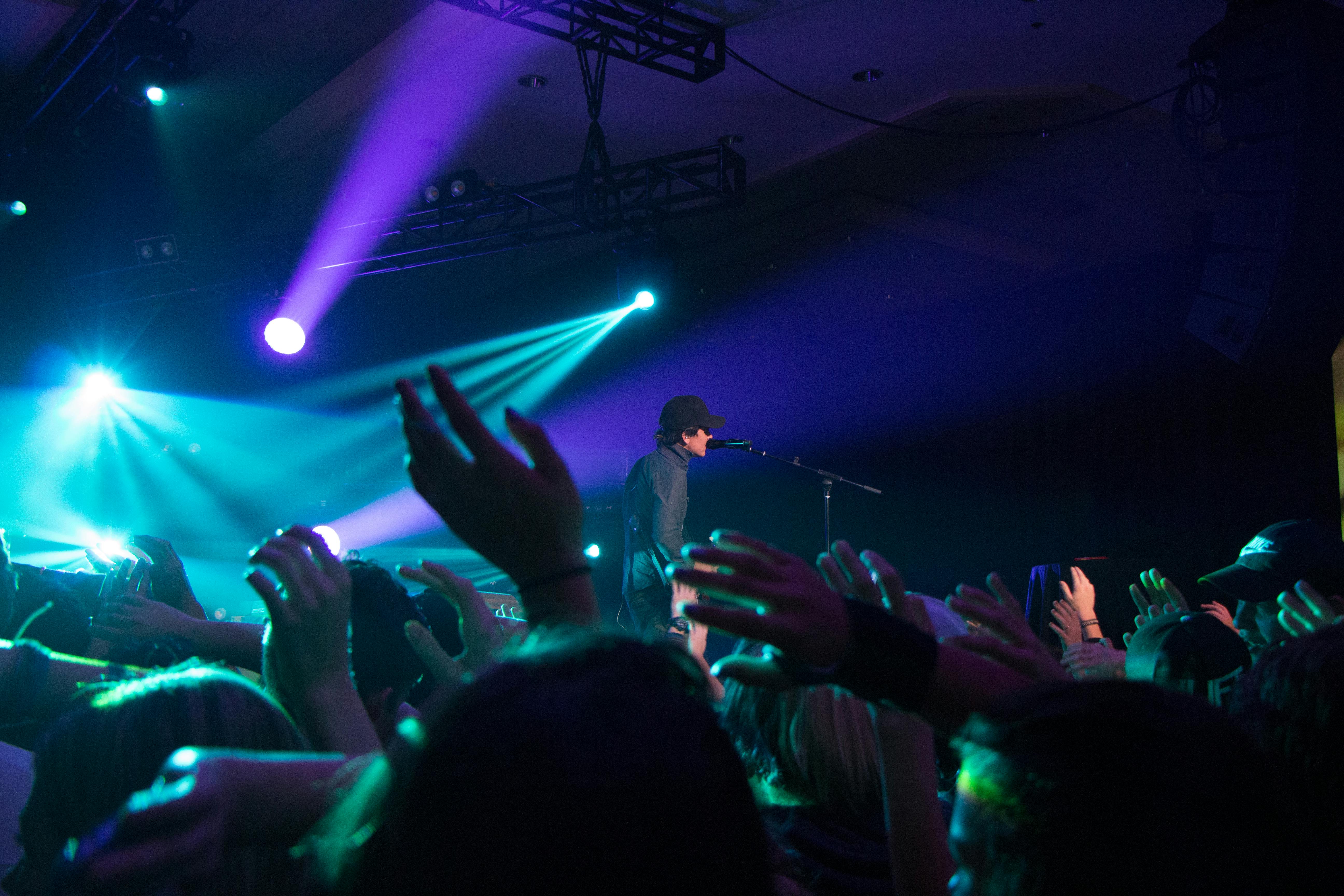
2. Prioritize live performance (Genuine fans develop face-to-face)
Why it's effective: Streaming creates passive listeners. Live performance creates emotional connections and converts casual listeners into dedicated fans. There's no substitute for the experience of seeing an artist perform; it creates memories, stories, and relationships that streaming simply cannot replicate.
The economics support this too. A ticket sale generates more revenue than thousands of streams. More importantly, people who attend your show are exponentially more likely to buy merchandise, join your email list, and tell friends about you.
Getting booked: Create a concise EPK (Electronic Press Kit), you can use MNGRS.AI to do it: 3-sentence bio focusing on what makes you distinctive, 3 best tracks showcasing your range, high-quality photos (invest in a proper photoshoot), social links, and crucially, performance videos showing you can perform live.
Craft personalized venue pitches demonstrating knowledge of their programming. Generic mass emails get deleted immediately. Reference specific shows they've hosted, explain why your music fits their audience, and make it easy for them to say yes by providing all necessary information in the initial email.
Booking strategies: Start with local venue circuit building relationships with talent buyers, pursue support slots for established acts whose audience overlaps with yours (this is more valuable than headlining to 15 people), open mic nights to network and showcase material, or organize self-produced house shows or DIY venue events to build your own scene.
Post-show protocol: This is where most artists fail. The show isn't over when you finish your set. Engage personally with attendees; talk to every single person who approaches you. Express genuine gratitude for their attendance. Demonstrate that individual supporters matter by remembering details they share and following up. Collect contact information for your mailing list immediately while they're emotionally connected to the experience.
Budget: $0-$120 (often generates net positive revenue through door splits and merchandise sales)
3. Create content that builds connection
Why it's effective: Audiences connect with humans, not just polished products. Authenticity consistently outperforms production value in the current digital landscape. People are exhausted by perfectly curated content; they want to see the real person behind the music.
Essential question before posting anything: Does your content reveal who you are as a person, not just as a musician? If you removed your name and music, would people still find the content interesting or valuable?
High-performing content types:
- Vertical live performance clips (TikTok/Instagram Reels) showing raw energy and connection
- Creative process documentation including challenges, failures, and breakthroughs; not just finished products
- Song origin stories explaining what inspired specific lyrics or musical decisions
- Raw, unpolished acoustic performances that showcase your actual talent without studio production
- Behind-the-scenes studio moments revealing your personality and creative approach
Golden rule: One authentic video weekly that shows who you really are surpasses seven trend-based posts that could be from any artist. Consistency beats viral moments. The algorithm rewards regular posting, but audiences reward genuine connections.
Productivity approach: Batch content creation. Dedicate 4 hours monthly to filming 10-15 short videos, then schedule them throughout the month. This prevents the daily stress of "what do I post today" while maintaining consistent presence. You can use tools like Buffer or Metricool to help you plan your publications.
Platform strategy: Excel on 1-2 platforms maximum. You cannot maintain quality across every channel. Choose where your target audience already engages and commit fully to understanding that platform's specific culture and mechanics. Being excellent on Instagram is more valuable than being mediocre on five platforms.
Budget: $0-$25 monthly
4. Target independent playlists and community radio
Why it's effective: Major editorial playlists (500K+ followers) receive 500,000+ submissions. The math doesn't work in your favor. Smaller niche playlists (1K-100K followers) have genuinely engaged communities who trust their curators' taste. When they feature your track, it's a trusted recommendation from someone they follow specifically for music discovery, not algorithmic noise that appears between songs they actually wanted to hear.
The conversion quality differs dramatically. A major playlist placement might generate 50,000 streams, but how many translate to saved tracks, artist follows, or show attendance? Independent playlist placement might generate 500 streams, but a much higher percentage converts to genuine fans.
Effective pitching: Write brief, personalized emails (maximum of 100 words). Curators receive hundreds of submissions; respect their time. Demonstrate you've actually listened to their playlist, not just copied their email from a database. Explain concisely why your music aligns with their curatorial aesthetic, not why you think your music is good.
Example pitch: "Hi Sarah, I've followed your 'Bedroom Pop Essentials' playlist for six months and appreciate how you spotlight artists exploring introspective themes with lo-fi production. My new single examines similar emotional territory to artists like Clairo and Gus Dapperton that you've featured. The production intentionally maintains a bedroom aesthetic despite being recorded in a proper studio. Would you consider listening? [Streaming Link]"
Effective services:
- Groover (guaranteed curator listening + written feedback within 7 days; this eliminates the uncertainty of whether anyone actually listened)
- SubmitHub (US-focused, larger curator database)
- Musosoup (UK-focused, strong radio connections)
Test budget: $120-$240 for your first campaign
Timeline: Submit 6 weeks before release for community radio, 4 weeks for independent playlists, 2 weeks for music blogs. Earlier is always better; curators plan ahead.
5. Use analytics to understand your actual audience
Free analytical tools:
- Apple Music for Artists
- Spotify for Artists
- Instagram Insights
- Google Analytics (if you maintain a website)
Most artists check their streaming numbers obsessively but don't actually analyze the data. Knowing you have 10,000 streams means nothing without understanding where those listeners are located, what other artists they listen to, and whether they're saving your tracks or just passively hearing them in playlists.
Critical data points:
- Geographic concentration of listeners (reveals where to tour)
- User-created playlists adding your tracks (reveals how people categorize your music)
- Demographic breakdown (reveals whether you're reaching your intended audience)
- Listening behavior patterns (reveals whether people return to your music or hear it once)
More importantly: Analyze qualitative engagement signals. Do people leave meaningful comments or just passive likes? Do they share your music organically with friends? Do they return to multiple shows? These qualitative signals predict long-term career sustainability far better than streaming numbers.
Actionable step: Examine your top 50 listeners individually on Spotify for Artists. Look at what other artists they follow, what playlists they create, where they're located. This creates a detailed profile of your actual audience versus your imagined audience, which often differs significantly.
Budget: $0
6. Collaborate with complementary artists
Two artists with 500 followers each can introduce their music to 1,000 potential new listeners. But beyond simple math, collaborations blend creative universes and communities in ways that feel organic rather than transactional.
The best collaborations happen between artists with overlapping but not identical audiences; you want to reach new people who are predisposed to like your music because they already like something similar.
Collaboration formats:
- Co-headlining shows or split bills where you share costs and promotion
- Remixes or featured appearances that expose each artist to the other's streaming audience
- Cross-promotional interviews or Instagram lives that feel like genuine conversations, not advertisements
- Reciprocal playlist curation where you each create a playlist featuring the other's music
- Social media cross-promotion with genuine enthusiasm, not copy-paste posts
Why it's powerful: You're endorsing someone whose artistry you genuinely respect, and they're doing the same for you. Audiences recognize authentic enthusiasm versus transactional promotion. When an artist you follow recommends another artist, you trust that recommendation because it's based on actual musical kinship, not payment.
Local scene engagement: Attend shows even when you're not performing. Support other artists. Build relationships without immediate expectation of return. Long-term community relationships generate more value than short-term paid campaigns because they're based on mutual respect and genuine connection.
Budget: $0
7. Master DIY distribution
Recommended distributors:
- DistroKid: $22.99 annually (unlimited releases): optimal for high release volume (6+ tracks yearly). The per-release cost becomes negligible if you're actively releasing music.
- TuneCore: $14.99 annually per single, 100% royalties retained: superior customer support and slightly better analytics. Worth the higher cost if you release infrequently and want responsive service
- CD Baby: $9.95 one-time per release plus 9% ongoing commission: suitable for infrequent releases where you don't want annual recurring fees. The commission adds up over time, but there's no upfront annual cost.
Claim your artist profiles immediately: Spotify for Artists, Apple Music for Artists, YouTube, Deezer. These platforms provide crucial analytics and allow you to customize your artist profile with bio, images, and links.
Budget: $23-$35 annually
8. Invest strategically in paid advertising
Rule #1: Only invest after validating organic interest. Advertising amplifies existing traction; it doesn't create it from nothing. If your music isn't gaining organic listeners after 2 weeks of release, paid promotion won't solve the underlying issue of music-market fit. You're just paying to show your music to people who still won't connect with it.
This is the mistake most independent artists make: throwing money at advertising before they've validated that people actually want to hear their music. Test organically first. If you see genuine engagement, then amplify with paid promotion.
Beginner budget: $60-$120 for testing
Essential measurement: Install Facebook Pixel and Google Analytics conversion tracking. Use UTM parameters on all links so you can track which campaigns drive which actions. Create dedicated landing pages for campaigns rather than sending people to generic streaming links. Measure everything; if you can't measure it, you can't improve it.
Budget allocation example ($120):
- ❌ Wrong: $120 → 2,000 anonymous streams = money wasted on people who'll never think about you again
- ✅ Right: $120 → 50 qualified email subscribers = 50 potential community members who'll actually attend shows and purchase merchandise
The goal isn't only streams, it's building relationships with real people who care about your music.
9. Build community, not just audience
The crucial distinction:
- Audience: Passive content consumers who see your posts while scrolling
- Community: Active participants in your artistic journey who feel ownership
This distinction determines whether you build a sustainable career or remain dependent on algorithmic favor. Audiences are rented; platforms can change their algorithms tomorrow, and your reach disappears. Community is owned; those relationships persist regardless of platform changes.
Community sustainability determines career longevity. Not streaming numbers, not social media followers, but the number of people who genuinely identify with your artistic vision and values. These are the people who'll support you through stylistic evolution, personal challenges, and industry changes.
Community platforms:
- Discord: Ideal for listening parties where fans can react in real-time, Q&A sessions that feel intimate despite digital format, exclusive content access that rewards genuine fans
- Patreon: Perfect for offering alternative versions of songs, production stems for fans who make music, extensive behind-the-scenes material documenting your creative process
- Telegram: Simpler Discord alternative without the overwhelming feature set, works well for smaller, more focused communities
Engagement strategies:
- Virtual listening sessions for new releases where you're present and responding in real-time
- Numbered limited edition physical releases (cassettes, vinyl) that create scarcity and collectibility
- Early access windows (24-48 hours before public release) that reward your most dedicated fans
- Community-exclusive contests or experiences like private acoustic performances or studio visits
The key principle: Make fans feel like collaborators in your journey, not just consumers of your content. Ask for their input on setlists, artwork decisions, or which tracks to release as singles. When people feel invested in your success because they contributed to it, they become advocates rather than passive listeners.
Budget: $0 (or Patreon fees depending on your structure)
10. Organize or struggle
Running an independent music career involves dozens of simultaneous responsibilities: content creation, communication with fans, booking logistics, financial tracking, release planning, collaboration coordination. Without organizational systems, this becomes overwhelming quickly.
Recommended tools:
- Notion: Centralize everything, release calendars, contact databases, content ideas, financial tracking, project management. The all-in-one workspace prevents information from being scattered across multiple platforms.
- Trello: Visualize progress with boards for different projects. Seeing tasks to move from "Planning" to "In Progress" to "Complete" provides psychological satisfaction and clarity on priorities.
- Google Sheets: Track your metrics and budget with simple spreadsheets. You don't need fancy software; a well-organized spreadsheet showing monthly streaming growth, email list growth, show attendance, and revenue by source tells you everything you need to know.
The 3-actions-per-week rule: Focus on a maximum of three high-impact actions per week. Consistency beats intensity. Doing three things well and authentically generates better results than fifty things poorly. Most artists fail because they spread themselves too thin, trying to execute every possible strategy simultaneously.
Outsource strategically if budget allows:
- Community manager: $240-$600 monthly for someone managing daily social media and fan communication
- Booking agent: $360-$600 for pitching 50 venues systematically with professional follow-up
Scam red flags: Anyone promising "10,000 guaranteed streams" or "placement in 50 playlists" is running a bot farm or playlist farm that will actually damage your algorithmic standing when Spotify detects the fraud.
Budget: Variable depending on what you outsource
Essential KPIs to track
Quantitative metrics:
- Monthly listeners by platform
- Email list growth rate
- Social media engagement rate (comments + shares / total impressions)
- Show attendance trends
- Revenue by source (streaming, merchandise, tickets, sync)
Qualitative signals (often more important):
- Do people return to multiple shows?
- Do they leave meaningful comments versus passive likes?
- Do they share your music organically with friends?
- Do they feel like they're part of something larger than just listening to music?
The ultimate metric: The number of people who genuinely identify with your artistic identity and actively participate in your community. This predicts long-term career sustainability better than any streaming number.
Music marketing FAQ
How much does an effective marketing strategy cost for independent artists?
It depends entirely on your career stage and available resources:
- Exploration (0-2 years): $0-$60 monthly is sufficient, focus on creation and local community building
- Validation (2-4 years): $60-$600 monthly to test promotional strategies and build your first 1,000 fans
- Refinement (4-7 years): $600-$2,400 monthly for professional campaigns, team support, and touring
What matters more than budget is clarity of artistic identity and authenticity of connection. A well-executed $100 campaign can outperform a poorly targeted $5,000 campaign.
What's the best platform to promote music?
There's no universal answer; it depends on where your specific audience already spends time. Research artists in your genre and identify where they have the strongest engagement. Focus on 1-2 platforms and achieve excellence there rather than mediocrity across five platforms.
Your email list remains your most valuable asset because you own it completely. Algorithms change, platforms decline, but email addresses remain functional regardless of external factors.
How do you increase Spotify streams?
This is asking the wrong question. The right question is: how do you build a sustainable community of fans who care about your music?
Focus on pitching to independent playlists that curate thoughtfully, performing live to convert casual listeners into devoted fans, creating authentic content that builds genuine connection, using analytics to understand who actually listens and where they're located.
Streams will follow naturally when you've built real relationships. Chasing streams directly often leads to empty numbers without meaningful career impact.
How long until you see tangible results?
Expect 3-6 months for initial validation signals (growing email list, increased show attendance, playlist placements), and 2-4 years to build a genuinely sustainable fanbase that supports your career financially.
Music is fundamentally a marathon, not a sprint. The artists who build lasting careers aren't always the most talented; they're the most authentic, resilient, and consistent. They understand that sustainable success comes from accumulating small wins over years, not viral moments that disappear.
Is TikTok mandatory for music marketing?
Absolutely not. Be where your audience genuinely engages and where you feel authentic. If TikTok causes anxiety or makes you feel inauthentic, focus your energy elsewhere. Forced, uncomfortable content performs poorly anyway; audiences detect inauthenticity immediately.
Many successful artists have built careers without TikTok by focusing on platforms that align with their personality and strengths. Choose platforms that energize rather than drain you.
Conclusion: what actually matters
Real music marketing isn't about budget size or marketing hacks. It's about bringing people together around your artistic vision, your story, and your values. It's about building something that endures beyond algorithmic trends and platform changes.
The three pillars of sustainable music marketing:
- Discover and articulate who you truly are (your sound, artistic universe, core message, authentic self)
- Build genuine community (people who feel ownership of your success, not just passive consumers)
- Maintain consistency and patience (small, regular actions compound into significant results over years)
100 people who genuinely connect with your artistic vision create more sustainable value than 10,000 anonymous streams. Those 100 people will attend shows, purchase merchandise, share your music enthusiastically, and become part of your community. That's what creates careers that last decades, not viral moments that last days.
Ready to structure your releases and save time on promotion? Discover MNGRS.AI, your AI-powered manager that automatically generates comprehensive 6-week release plans including social media content, fanbase email campaigns, promotional pitches, and custom visual assets. Purpose-built for independent artists seeking professional structure without the overhead.




.svg)
