
Why streaming revenue isn't enough
Spotify pays between $0.003-$0.004 per stream. Apple Music performs slightly better at $0.007-$0.010 per play, but it remains negligible compensation for your work. On average, independent artists earned $3.41 per 1,000 streams in 2024; a 2% decrease from 2023.
An independent artist earns approximately $5,000 annually via Spotify. That's barely $415 monthly.
To generate minimum wage income of roughly $1,800 net monthly, you need between 450,000-600,000 Spotify streams monthly, every single month. Without interruption. For most independent artists, this remains an unrealistic target that would require years of consistent growth to achieve.
The situation worsens when you understand the pro-rata payment system: a subscriber who primarily listens to independent artists still financially supports major label stars through their subscription fee. The system structurally disadvantages artists without major label backing.
The conclusion is unavoidable: to earn a living from music in 2026, you must diversify your revenue streams. Streaming can represent one component of your economic model, never the entirety.
The 8 most profitable revenue sources in 2026
1. Live concerts and performances (the primary income source)
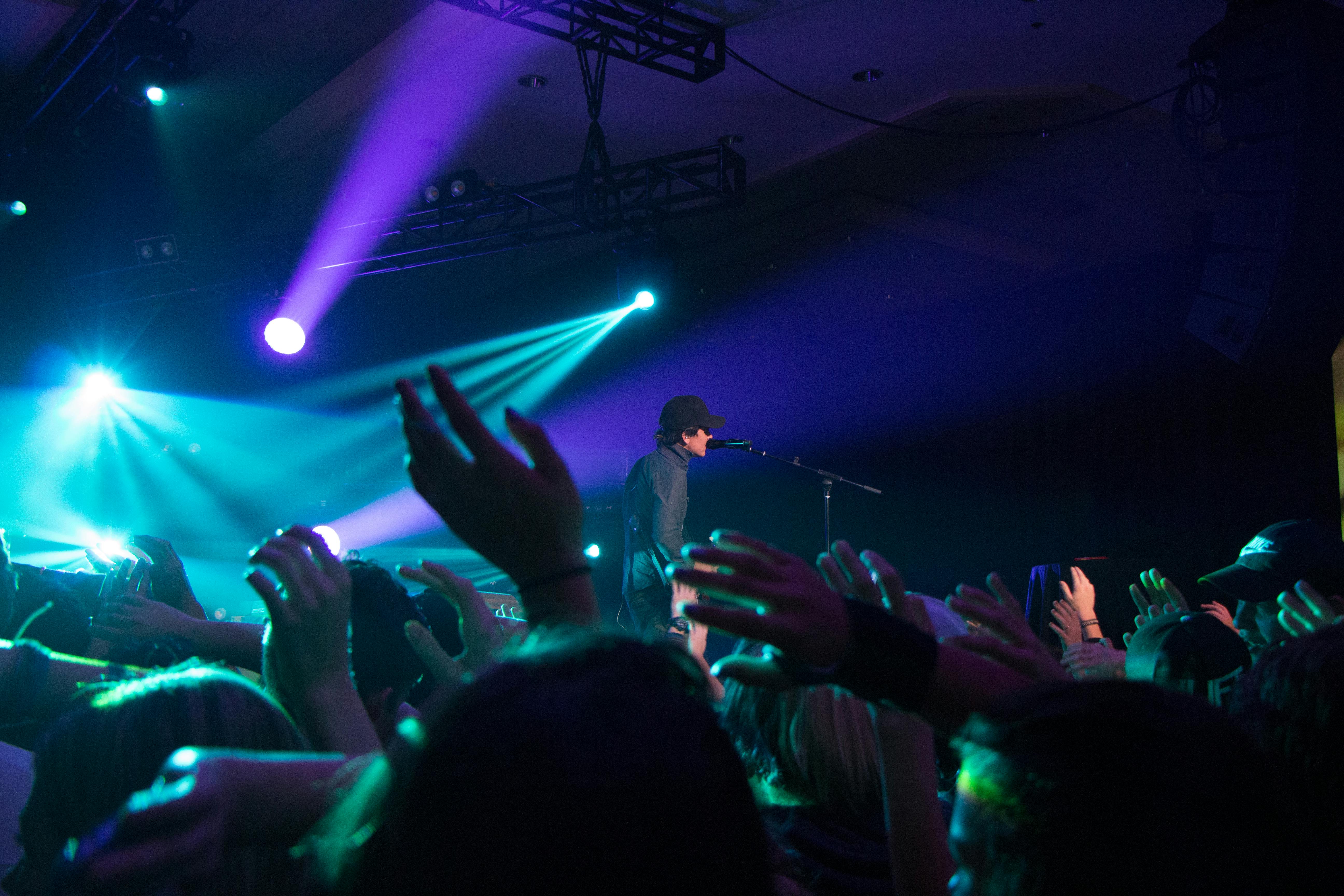
Live performance remains the dominant revenue source for independent artists by a substantial margin. This is where you actually earn significant money AND build a loyal community simultaneously. The financial and relationship-building aspects of live performance are inseparable.
Concert revenue breakdown:
- Small venue (50-100 capacity): $250-$1,000 guarantee plus merchandise sales
- Medium venue (100-300 capacity): $1,000-$3,000
- Local festival appearance: $600-$3,500 depending on your draw
- Touring musician with established artist: $2,900 net monthly
These numbers represent achievable targets for working musicians, not aspirational figures reserved for rare breakout success.
Maximizing live revenue:
Always negotiate a guaranteed minimum payment. Don't accept door percentage deals when you're starting; venues have every incentive to undercount attendance. A guaranteed minimum protects you regardless of turnout. This is non-negotiable if you value your time and artistry.
Sell merchandise at every single show. Margins on t-shirts, stickers, and vinyl are substantial; often 300-500%. More importantly, people purchase after experiencing emotional connection from your performance. Post-show is when buying impulse peaks. A well-executed show can generate $250-$600 in merchandise revenue beyond your performance fee.
Collect email addresses at the entrance in exchange for a free sticker or exclusive demo download. These email addresses represent future revenue opportunities worth significantly more than the cost of the incentive. Email lists are owned assets that compound in value over time.
Perform regularly and consistently. One monthly show represents the baseline for building genuine local presence and stable income. If you can book 2-3 shows monthly averaging $600 per show plus $250 merchandise revenue, you're already generating $2,550 monthly exclusively from live performance. Without tax, of course.
Consider paid livestream concerts as supplementary income. Platforms like StageIt, Veeps, or Twitch with tip functionality allow monetizing virtual performances. Announce them 2 weeks in advance, offer something unique (unreleased acoustic performance, extended Q&A, live production demonstration), and charge $6-$18 admission.
Startup budget: $0-$600 (transportation, initial merchandise inventory)
Revenue potential: $1,200-$6,000 monthly depending on frequency and booking level
2. Direct sales through Bandcamp
Bandcamp represents the direct-to-fan sales platform every independent artist should utilize strategically. The economics are fundamentally superior to streaming.
Bandcamp charges 15% commission on sales (reducing to 10% after you exceed $5,000 annual revenue). After PayPal processing fees, you retain approximately 82% of the sale price. This is transformative economics compared to streaming.
An album sold at $10 on Bandcamp nets you $8.20. To earn equivalent revenue on Spotify requires 2,500 streams. The conversion efficiency speaks for itself; direct sales generate exponentially more value per transaction.
But Bandcamp transcends simple e-commerce functionality. Fans can choose to pay above the asking price using the "name your price" system. Many artists regularly see supporters paying $20-$30 for albums listed at $10, simply because their fans want to provide meaningful support. This voluntary premium represents genuine community engagement that streaming platforms cannot replicate.
What to sell strategically:
Albums and EPs in digital format obviously, but also in lossless FLAC for audiophiles who value quality. Offer limited edition physical releases like numbered vinyl pressings, cassettes with distinctive artwork, CDs with special packaging. Music + merchandise bundles perform exceptionally well.
If you produce beats, sell sample packs and presets. These serve dual purposes: generating revenue while providing value to other musicians. Offer B-sides, demos, and alternative versions that won't appear on streaming platforms. Fans appreciate exclusive content that rewards their direct support.
Bandcamp Clubs represent an additional opportunity: independent curators select one album monthly and add it to their subscribers' collections. Revenue flows primarily to the artist, providing exposure and income simultaneously.
Additional functionality: Bandcamp manages physical merchandise shipping. You can sell t-shirts, vinyl, posters, and they handle fulfillment logistics. It functions as a complete storefront with minimal operational overhead.
Startup budget: $0 (only setup time investment)
Revenue potential: $600-$6,000 monthly depending on fanbase size and release frequency
3. Patreon and fan subscriptions (recurring revenue)
Patreon enables your fans to become patrons by supporting you with monthly subscriptions in exchange for exclusive content and access. This fundamentally transforms the artist-fan relationship from transactional to ongoing.
Creators currently earn over $100 million monthly through Patreon collectively. Rather than chasing algorithmic streams, you build a base of genuine fans who pay you directly every month. This creates predictable income that enables long-term planning.
Patreon charges 5-12% depending on your plan, plus transaction fees. Ultimately, you retain 80-85% of revenue after all commissions. This is still dramatically superior to streaming economics or traditional label deals.
The transformative advantage is predictability. If you have 100 patrons contributing an average of $12 monthly, you know you'll receive approximately $1,020 every month. This baseline stable income provides planning visibility that streaming's volatility cannot offer.
Valuable patron rewards:
- Alternative and acoustic versions of your tracks that streaming audiences don't access
- Stems and separated tracks for musicians and producers in your audience
- Early access to all releases 1-2 weeks before public availability
- Commented listening sessions where you deconstruct your creative decisions live
- Monthly group video calls or one-on-one calls for premium tiers
- Behind-the-scenes content documenting studio sessions and creative process
- Physical exclusive editions reserved exclusively for patrons (numbered vinyl, special cassettes)
Effective tier structure:
- $6 tier: Early access + exclusive content
- $12 tier: Previous tier + stems and alternative versions
- $30 tier: Previous tiers + monthly group video call
- $60 tier: Previous tiers + quarterly one-on-one call + signed vinyl annually
This tiered approach provides accessible entry points while creating aspirational higher tiers for your most dedicated supporters.
Startup budget: $0
Revenue potential: $240-$6,000 monthly (average $240-$600 for artists with engaged small communities)
4. Merchandise sales
Merchandise operates on straightforward economics: you sell physical items to fans, and unlike streaming, each sale generates immediate profit. The margins are substantial; often 300-500% on production costs.
Top-performing merchandise:
- T-shirts featuring your logo or album artwork remain the foundation; they're wearable advertising that fans proudly display
- Hoodies and sweatshirts command higher prices with comparable production costs
- Organic cotton tote bags have become increasingly popular in 2025 as sustainable alternatives
- Signed posters and art prints create collectibility and perceived value
- Stickers remain affordable impulse purchases with enormous margins
- Vinyl records and cassettes with distinctive packaging appeal to collectors and audiophiles
Where to sell effectively:
- Directly through Bandcamp (they manage shipping logistics)
- Print-on-demand platforms like Printful or Teespring (zero inventory risk; they print and ship on demand)
- Your own website using Shopify or Big Cartel for complete brand control
Most importantly, at every concert. This is where you maximize sales volume. A well-organized merchandise table with 3-4 simple product options can generate $250-$600 in sales per evening when positioned strategically and promoted from stage.
The emotional connection created during live performance translates directly into merchandise purchases. People want tangible memories of experiences that moved them.
Startup budget: $240-$1,200 depending on initial inventory
Revenue potential: $600-$3,600 monthly depending on live performance frequency
5. Music licensing and synchronization
Music synchronization has become an increasingly attractive revenue source in 2025. This occurs when your music appears in films, TV series, advertisements, video games, or podcasts. Beyond generating substantial licensing fees, synchronization provides exceptional visibility that can transform careers.
A single placement in a major advertisement or Netflix series can dramatically accelerate your trajectory. The exposure often generates more long-term value than the immediate payment.
Industry compensation standards:
For major film productions, music budgets represent 5-10% of total production costs for developing artists, increasing to 25% for established names. For national advertising campaigns, fees range from $6,000 for emerging artists to $60,000-$120,000 for recognized names. TV series typically pay $1,200-$12,000 per placement depending on the show's profile and how prominently the music features. Video game licensing varies dramatically, from $600 to tens of thousands depending on the title's scale.
These numbers represent genuine opportunities for independent artists willing to pursue synchronization strategically rather than passively hoping for placements.
How to pitch music for licensing:
Register with music libraries like Musicbed, Epidemic Sound, Artlist, AudioJungle, or Songtradr. These platforms connect artists with productions actively seeking music for their projects.
Prepare a diverse catalog including instrumental versions (requested a lot), short edits (30 seconds to 1 minute for commercials), and multiple versions of your tracks (with and without vocals, various tempos, alternate arrangements).
Ensure you own 100% of your composition rights or have necessary clearances documented. Productions will never license tracks with unclear or disputed ownership. This is non-negotiable; one rights issue eliminates placement opportunity.
The challenge is unpredictability. You might submit 50 tracks and receive nothing for 6 months, then secure an $18,000 placement. This volatility means synchronization cannot be your sole revenue source, but it represents an excellent supplementary income stream that rewards catalog development.
Startup budget: $0-$240 (platform registration fees)
Revenue potential: $1,200-$120,000 per placement (highly variable)
6. Teaching and masterclasses (monetize your expertise)
If you possess musical skills and knowledge, teaching can become a stable source of revenue. In 2025, online music education has significantly matured, creating accessible opportunities for artists to monetize their expertise without geographic limitations.
Profitable teaching formats:
- Private lessons you charge $36-$100 per hour depending on your skill level and market positioning
- Group masterclasses on specific topics (chorus writing, vocal mixing, lo-fi beat creation) priced at $60-$240 per participant for 2–3-hour sessions
- Comprehensive paid online courses can generate substantial revenue if you specialize in areas like mixing, mastering, or production. However, marketing the course requires significant effort; the creation is only half the work.
- Monetized tutorial videos on YouTube or Skillshare can generate passive income once created.
- Full-day webinars and workshops on production, mixing, or music business fundamentals
The advantages:
This creates predictable, recurring revenue. If you have 10 regular students at $60 per hour with 4 monthly lessons each, you generate $2,400 monthly exclusively from teaching. As a supplement to your artistic career, this can quickly become significant stable income.
You continuously develop your technical skills while generating revenue. This isn't time away from music; it's deeper engagement with musical craft while getting paid.
Teaching connects you with diverse musicians, which often opens unexpected collaboration and opportunity doors. Your students become part of your extended network.
Where to offer your teaching:
- On your website with integrated booking system
- Through platforms like Lessonface for established student bases
- By creating your own online school using Teachable or Podia with complete curriculum control
- Locally through music schools or community centers for in-person instruction
Startup budget: $0-$600 (video equipment if teaching online)
Revenue potential: $600-$3,600 monthly depending on time investment
7. Session work and professional services (sell your skills)
If you excel in specific musical domains, sell those skills to other artists. This represents a stable income source many musicians underestimate or overlook entirely.
Profitable professional services:
- Session musician work (guitar, bass, drums, keys) for recordings: $120-$600 per day depending on your reputation and the project scope
- Live sound engineering for local concerts: $180-$480 per evening
- Mixing and mastering for other artists: $60-$360 per track depending on your portfolio and turnaround time
- Beat and instrumental sales on BeatStars or Airbit: prices range from $24 for basic licenses to $600-$1,200 for exclusive rights
- Sample packs, drum kits, and presets: $18-$120 per pack depending on quality and exclusivity
- Full production services commissioned by artists: $600-$3,600 for producing a complete track, or negotiate royalty percentage if you co-produce
- Graphic design services helping other artists create social media content and visual branding
These services keep your musical skills sharp while generating reliable income. Many successful artists maintain service income as baseline revenue that funds their own creative projects.
Finding clients effectively:
Network consistently within your local music scene by attending shows even when you're not performing. These in-person connections often lead to more work than any online marketing effort. When venue owners, promoters, and other musicians see you supporting the community, they remember you when opportunities arise.
Display your services prominently on your website with clear examples of previous work. Create a dedicated "Services" page with audio samples, client testimonials, and transparent pricing. Potential clients need to hear what you can do and understand what working with you costs before they'll reach out.
Utilize platforms like Fiverr, SoundBetter, or AirGigs for international client access. These marketplaces connect you with artists worldwide who need exactly what you offer. While they take commissions, they handle payment processing and provide built-in credibility through review systems.
Post service offerings regularly in Facebook groups or Discord communities for musicians. Be genuine and helpful in these spaces rather than just self-promoting. Answer questions, provide value, and mention your services when relevant. Community members who see you as a helpful resource become clients and referral sources.
Word-of-mouth referrals from satisfied clients become your most valuable marketing channel over time. Deliver exceptional work, meet deadlines consistently, and communicate clearly. One happy client who recommends you to three artist friends is worth more than any paid advertising campaign.
Startup budget: $0 (you already own necessary equipment)
Revenue potential: $600-$6,000 monthly depending on time investment and skill specialization
8. Crowdfunding and pre-orders (finance before creating)
Crowdfunding remains effective in 2025 for financing music projects. The concept is straightforward: ask your community to pre-finance your album, tour, or vinyl pressing before you produce it. This validates demand while providing working capital.
Primary platforms:
- Kickstarter and Ulule for campaign-based projects with defined goals and deadlines. If you don't reach your target, contributors aren't charged. This all-or-nothing structure creates urgency.
- Bandcamp for direct pre-orders without minimum thresholds or deadline pressure
Success strategies:
Set realistic goals based on your actual community size. Don't request $60,000 if you have 200 followers; this guarantees failure and damages credibility. Start with $2,400-$6,000 for a debut album project.
Design clear reward tiers with genuinely attractive incentives that provide value beyond the final product. Think signed limited editions, exclusive merchandise, studio visit opportunities, or personalized songs.
Prepare quality video content explaining your project with authentic passion. Campaigns with professional video content raise 114% more on average than text-only campaigns. The video doesn't need Hollywood production; it needs genuine connection.
Communicate regularly throughout the campaign with backers. Updates maintain momentum and demonstrate you're actively engaged, not just collecting money passively.
Activate your network before public launch by sending private messages to close supporters before going live. Campaigns reaching 30% of their goal in the first 3 days have a 90% success rate because early momentum creates social proof.
Startup budget: $0-$240 (campaign creation and video production)
Revenue potential: $2,400-$60,000 per campaign depending on community size and engagement
Revenue strategy by career stage
- Beginning stage (0-2 years, under 500 fans)
Primary focus: Bandcamp, local concerts, organic content creation
Goal: Build your first 100 genuine fans who connect with your artistic vision
Realistic income target: $0-$600 monthly
At this stage, the priority is establishing your presence and testing market fit for your music. Income generation is secondary to community building and artistic development.
- Intermediate stage (2-5 years, 500-5,000 fans)
Primary focus: Add Patreon, merchandise, licensing pursuit, teaching
Goal: Reach $1,200-$2,400 monthly combining multiple revenue sources
This stage represents the transition from hobby to viable side income or full-time pursuit. Diversification becomes critical; no single source should represent more than 40% of total income.
- Advanced stage (5+ years, 5,000+ fans)
Primary focus: All revenue sources active, with emphasis on touring, Patreon community, and strategic licensing
Goal: Achieve $3,600-$6,000+ monthly to live comfortably from music
Budget considerations: At this level, consider investing in professional team members (manager, booking agent, publicist) to scale beyond what you can personally manage
Music income FAQ 2026
How much do independent artists actually earn in 2025?
Income varies dramatically based on career stage and diversification. A beginning artist earns $0-$600 monthly with occasional concerts and merchandise. An intermediate artist with 1,000-5,000 fans generates $1,200-$3,600 monthly by combining multiple revenue sources. An established artist with 10,000+ engaged fans can reach $3,600-$12,000 monthly and live comfortably from music. The critical factor is diversification across multiple income streams rather than dependence on any single source.
What's the most profitable revenue source for independent artists?
Concerts and merchandise typically generate the highest immediate returns. A well-attended show can produce $600-$2,400 in a single evening including performance fees and merchandise sales. Bandcamp and direct sales offer excellent margins (82% to artists). Licensing can generate substantial sums but remains unpredictable. Long-term, Patreon provides the best stability through predictable recurring revenue that enables planning and investment.
Should artists abandon streaming completely?
No. Streaming remains important for discoverability and industry credibility. But don't depend on it for revenue generation. View streaming as free promotion that introduces listeners whom you then convert to other revenue sources (concert attendance, Bandcamp purchases, Patreon subscriptions). The winning strategy: use streaming for discovery, then convert those listeners into genuine fans who support you directly through higher-value channels.
How much should you invest initially?
You can begin with $0 investment. Bandcamp, Patreon, local concerts, and email list building are free or nearly free. If you have $600-$1,200 to invest, allocate it toward basic merchandise (t-shirts, stickers) and decent video equipment if you plan to teach or create YouTube content. The essential principle is starting with available resources and reinvesting revenue progressively rather than waiting for perfect conditions.
How long does it take to make a living from your music?
Setting realistic expectations: for most independent artists, achieving $2,400-$3,600 monthly income requires 3-7 years of consistent work, strategic development, and community building. Some reach this faster through fortunate breaks (major synchronization placement, viral track), while others require 10 years of persistent effort. The key variables are consistency, diversification, and authentic community building. Don't quit your day job prematurely; transition gradually as music income stabilizes.
What's the first action to take in 2026?
Open a Bandcamp account immediately and begin selling your music directly. It's free; setup requires approximately one hour, and you retain 82% of every sale. Simultaneously, start building your email list today. These two actions cost nothing and can generate revenue within the first week. Add local concert bookings and you have three solid revenue foundations. Build from this base rather than attempting everything simultaneously.
Conclusion: build your sustainable model
You now have the 8 most profitable and accessible revenue sources for earning real income from your music in 2026. Streaming generates minimal revenue, but that doesn't mean you cannot build a viable music career.
Artists who succeed understand that intelligent diversification is fundamental. Some build thriving Patreon communities with 500 loyal patrons providing stable monthly income. Others generate most revenue from concerts and merchandise sales through consistent touring. Still others secure 2-3 major synchronization placements annually that finance all other activities.
There's no universal model. There's your model; the combination that aligns with your strengths, your audience characteristics, and what you genuinely enjoy doing. If you hate teaching, don't force it. If you love direct fan interaction, emphasize concerts and Patreon. If you prefer studio work, focus on session work and licensing.
The essential approach: start small with 2-3 revenue sources, master them completely, then add progressively. Track your numbers carefully, test different approaches, and adjust based on results rather than assumptions. Most importantly, build a genuine community of people who believe in your artistry and want to support your career long-term.
Ready to structure your releases and save time on promotion? Discover MNGRS.AI, your AI-powered manager that automatically generates comprehensive 6-week release plans including social media content, fanbase email campaigns, promotional pitches, and custom visual assets. Purpose-built for independent artists without requiring an agent or thousands of existing fans.





.svg)
